Regenerative organic · Nutrition and evidence
What New Regenerative Organic Nutrition Research Means for Ingredient Buyers
A stronger ingredient decision connects how a product was grown with what your team can document, test and use.
If you source ingredients for food or beverage products, you have probably seen plenty of claims about better farming. The harder question is what those claims help you do.
Can they strengthen a product brief? Give your quality team better evidence? Support a consumer story without asking marketing to sprint ahead of the data?
The new 2026 Regenerative Organic Nutrition Report from Edacious and the Regenerative Organic Alliance offers a useful answer. It shows how independent testing can add product-level evidence to a certification that already addresses soil health, animal welfare where relevant, and fairness for farmers and workers.
For buyers, that is the real opportunity: moving from a good sourcing story to information that R&D, procurement, quality and sustainability teams can use together.
The good news in the data
The report is the first public milestone in a four-year initiative that aims to test more than 200 Regenerative Organic Certified® products for nutritional density, quality and safety.
At publication, more than 50 ROC products had entered the Edacious Nutrient Density Analysis process. Thirteen brands, representing 46 products, agreed to publish results. The tested categories include meat, grains, legumes, seeds, oils, snacks, eggs and one produce product.
Several positive patterns stood out:
- All ten ROC legume varieties showed more phosphorus than their selected USDA references, with differences ranging from 16% to 584%.
- Fiber in the lentils and beans tested reached as much as 207% above the corresponding USDA reference data.
- Several legumes contained measurable selenium where the USDA reference reported essentially none.
- Tested quinoa varieties were higher in potassium, phosphorus and vitamin E than their USDA references.
- ROC meat products frequently showed lower omega-6-to-omega-3 ratios than conventional reference points.
- Multiple products met FDA thresholds for several “good source” or “rich source” nutrient claims at once.
Those results make the regenerative organic conversation more useful. They suggest that how food is grown may be connected to qualities that can be measured in the food itself—and that brands do not have to rely on broad language when direct analysis is possible.
What this could mean for your next product brief
Most of the report’s first-year dataset covers meat, grains and legumes rather than tropical fruit. Its immediate value for our customers is therefore not a ready-made claim. It is a better framework for evaluating ingredients.
If your team is developing a beverage, snack, bar, baby food, frozen dessert or dry blend, the framework leads to practical questions:
- Which nutritional or compositional characteristics matter for this application?
- Are they measured in the ingredient format you will actually purchase?
- How consistent are they across lots and seasons?
- Can the results support the intended serving size and market claim?
- Is the evidence clear enough for quality, regulatory and marketing teams to use the same language?
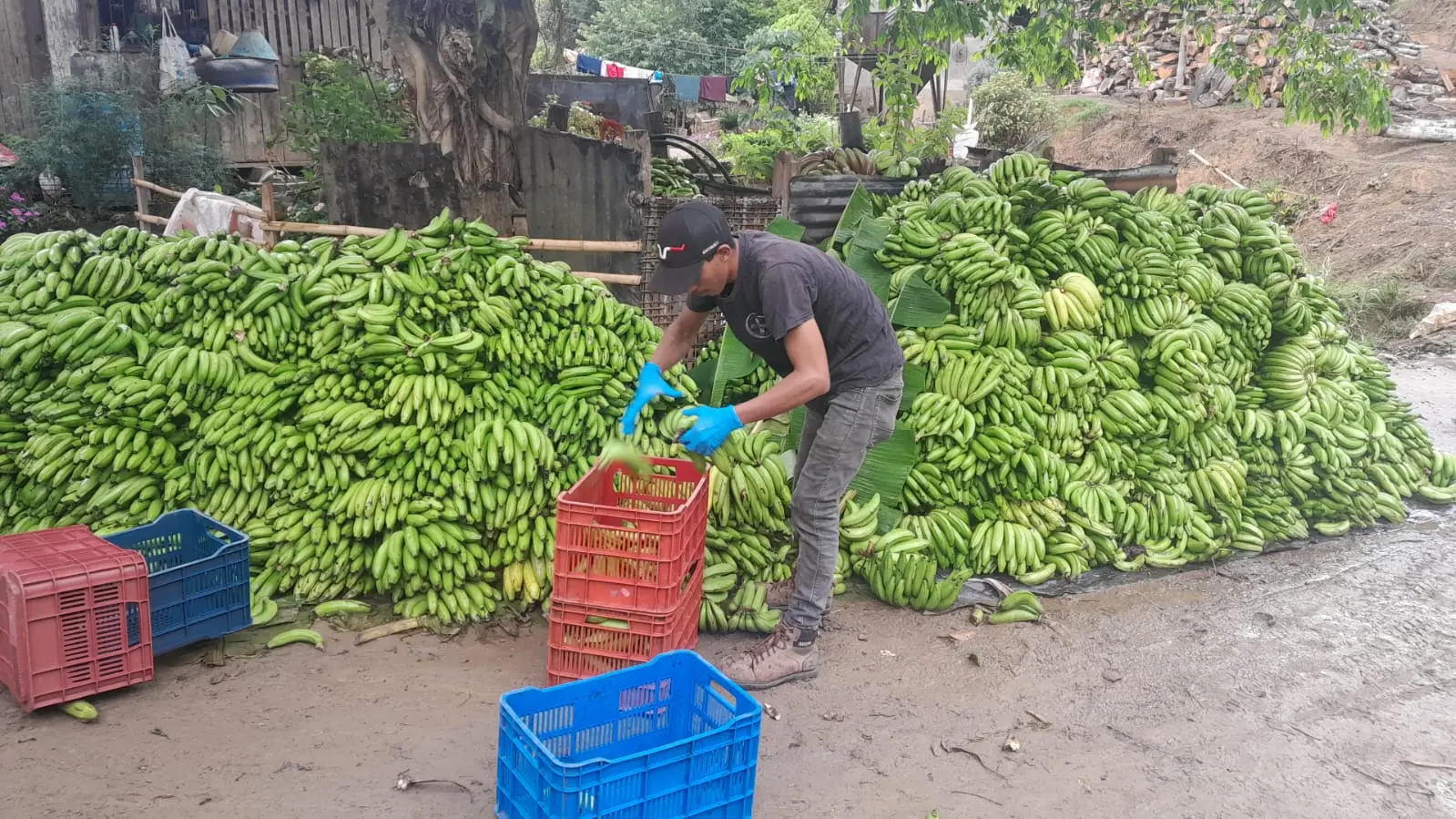
These questions are especially relevant when an ingredient needs to do more than deliver flavor. A buyer may be evaluating green banana flour for a fiber-led concept, dragon fruit for color and phytonutrient research, or a fruit purée for a formulation that needs both ingredient identity and technical performance.
The report does not answer those tropical-fruit questions for you. It shows a credible way to answer them.
The ingredient format matters
A crop name is not a complete technical description.
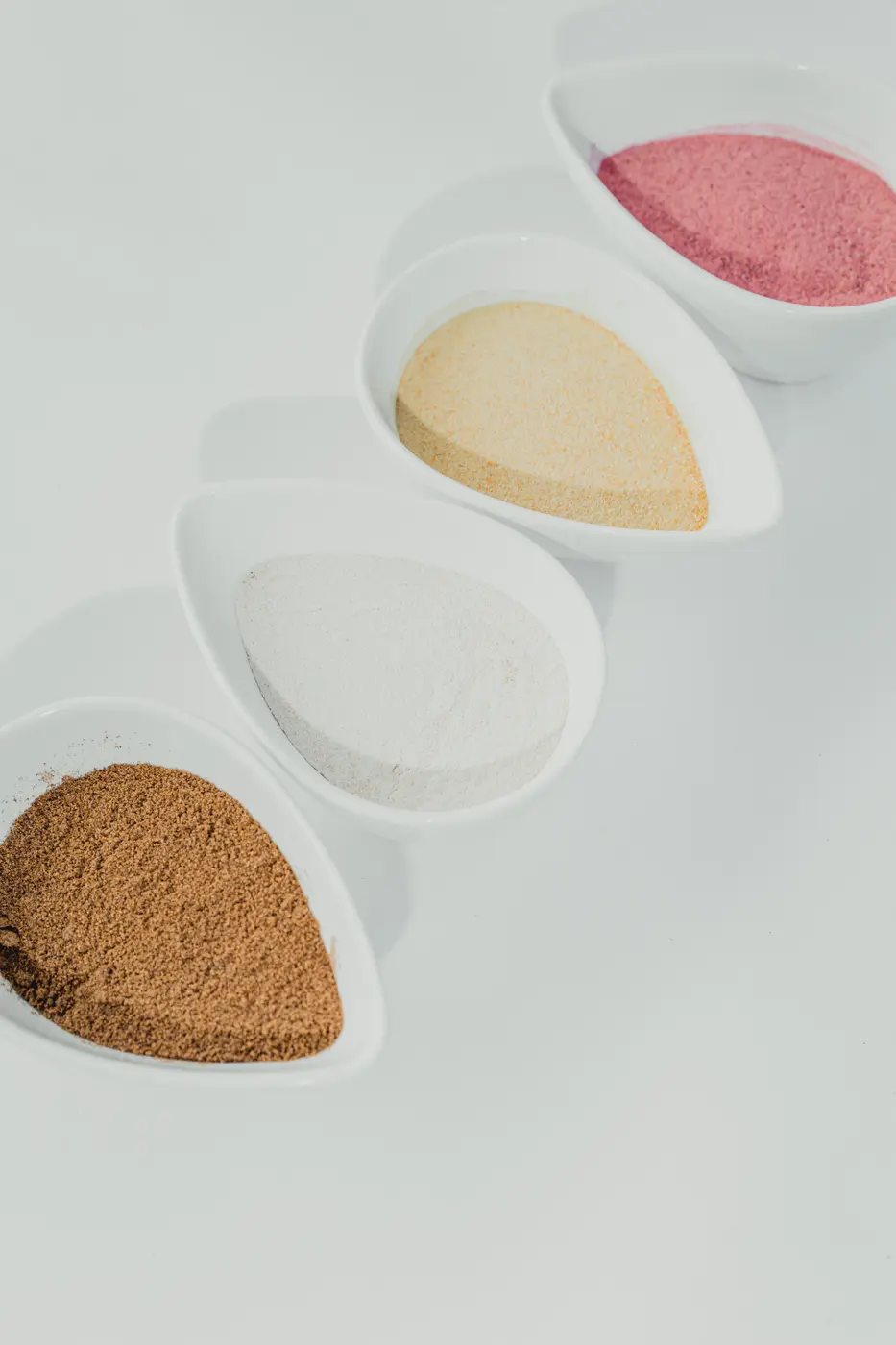
Banana purée, IQF banana, dried banana and green banana flour may begin with the same fruit, but processing changes moisture, concentration, handling and use. The relevant analytical panel should follow the ingredient format your team will formulate with.
That means:
- testing purée when the product uses purée—not borrowing data from fresh fruit;
- evaluating a powder or flour with methods appropriate to that dry format;
- checking multiple lots when seasonal or farm-level variability may matter;
- connecting the tested result to the use level in the finished product.
This is where specifications and nutrient analysis become complementary. A current specification tells procurement and quality what the ingredient must meet. Direct analysis can provide deeper evidence for a particular formulation question.
What Sol Organica can bring to the conversation
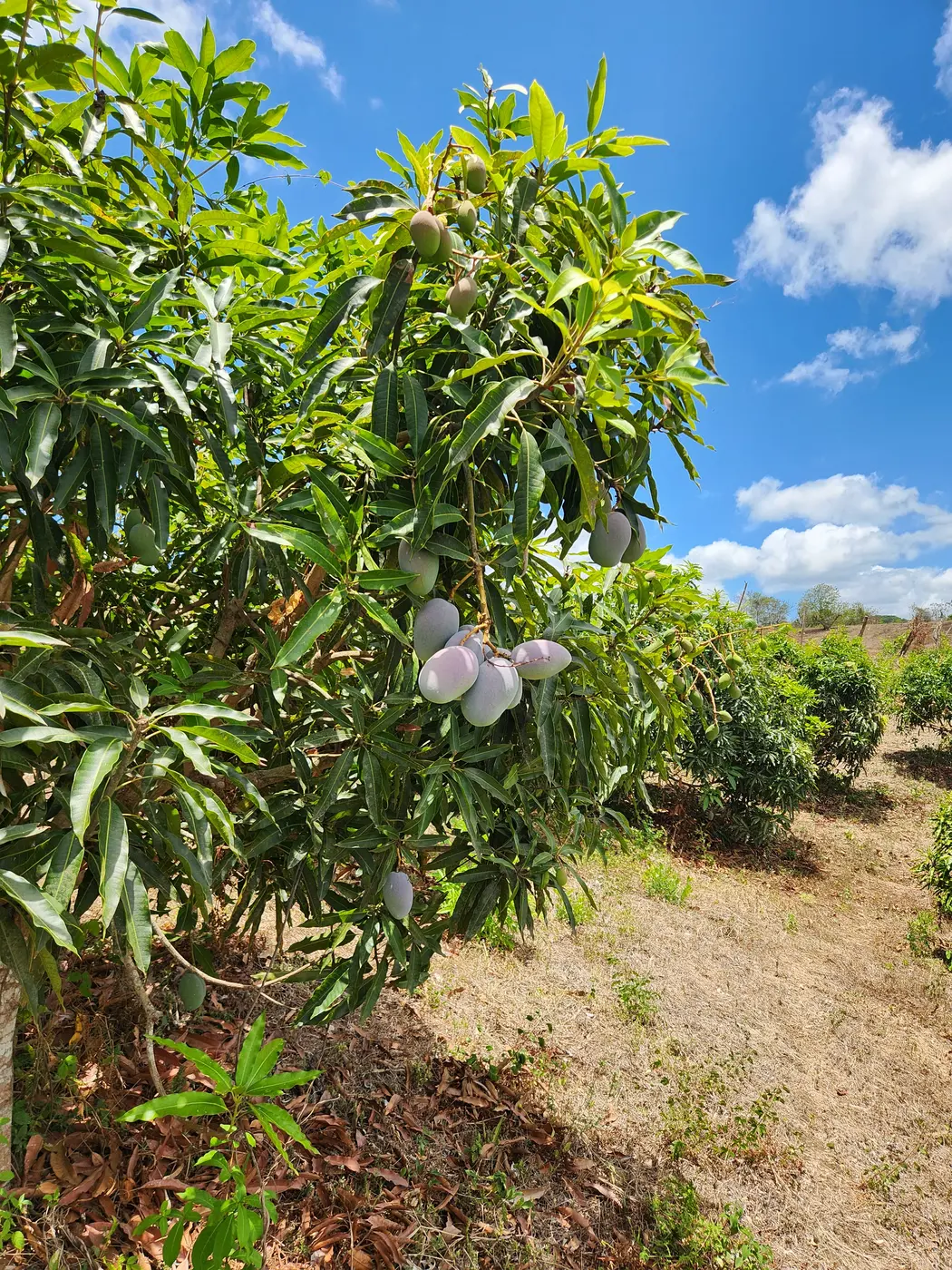
We connect tropical fruit farms in Nicaragua with manufacturers that need ingredients in practical formats: purées and juices, IQF fruit, dried fruit, and flours and powders.
For an ingredient buyer, our job is not to hand over a certification logo and disappear. It is to help connect the sourcing program with the exact product being evaluated.
Depending on the ingredient and program, that conversation can include:
- current certification scope;
- product specifications and format details;
- origin and traceability documentation;
- certificates of analysis and lot records;
- samples for formulation and qualification;
- discussion of additional testing when a customer has a specific product or claim objective.
Regenerative Organic Certified status, where applicable, tells you important things about the production system. It does not replace the technical work required to qualify an ingredient. The strongest sourcing program gives your sustainability team a credible story and gives your technical team the documents needed to make a decision.
Five questions to ask a regenerative organic ingredient supplier
1. Does the certification cover this exact product and supply program?
Certification scope should be confirmed for the ingredient you are buying, not inferred from another crop or format.
2. Which specification applies?
Ask for the current revision and review the parameters that matter for your formulation, process and destination market.
3. What product-level data already exists?
Specifications, COAs, microbiological results and other analyses answer different questions. Clarify what is routine and what would require a dedicated study.
4. How is variability managed?
Fruit changes across farms, harvests and seasons. A useful supplier conversation should include how lots are qualified and how out-of-target results are handled.
5. What would it take to support the claim we want to make?
Begin with the finished-product objective. Then work backward to the ingredient, sampling plan, method, use level and regulatory review.
A more useful kind of transparency
Consumers may see one package. Inside the company, several teams have to agree before that package reaches the shelf.
Procurement needs availability, terms and continuity. R&D needs functionality. Quality needs specifications and control. Sustainability needs evidence about the sourcing system. Regulatory needs language that the data can support.
The Edacious report points toward a model that can serve all of them: certification for the agricultural system, specifications for the ingredient, and independent analysis for product-level questions.
That is more useful than saying regenerative organic ingredients are “better” and leaving the buyer to guess what better means.
What the report does—and does not—show
The report’s favorable findings come from the specific products and samples tested. Edacious describes the work as an early look, generally based on two to seven samples per product. It is not a peer-reviewed scientific study, and the products are not statistically representative of their categories or the wider market. Many comparisons use USDA FoodData Central entries rather than controlled, side-by-side crops of the same variety.
The report therefore does not prove that every regenerative organic product is nutritionally superior to every conventional equivalent.
It also did not test Sol Organica products. Its findings do not establish nutrient-density or health claims for our banana purée, green banana flour, mango, pineapple, coconut or other ingredients. Product-specific claims require appropriate sampling, analysis of the relevant ingredient or finished product, and regulatory review for the intended market.
That does not reduce the value of the findings. It clarifies the opportunity: ask a better question, test the actual product and build the claim from evidence.
Product-development resource
From certification to a defensible product claim
Keep each layer of evidence in its proper role. A strong claim depends on all five.
If your team is evaluating a Regenerative Organic Certified tropical ingredient, contact us. We can help you review the applicable certification status, specification, format and available technical documentation—and define what additional evidence your product brief may require.
Research basis: Edacious and Regenerative Organic Alliance, 2026 Regenerative Organic Nutrition Report; Edacious public ROC product data; Regenerative Organic Alliance. The report did not test Sol Organica products.